

Many people who begin writing fiction encounter a similar uncertainty during the earliest stages of the creative process. Many beginners become unsure whether character, story structure, setting, or theme should be developed first. Some authors imagine vivid characters but struggle to understand what kind of conflict or narrative movement should surround them.
Because the process feels uncertain, aspiring authors often look for a single method capable of organizing the entire novel. Fiction writing does not usually progress through a perfectly fixed order in which every narrative element appears separately and predictably. Although character, worldbuilding, theme, conflict, and perspective all remain important, the starting point of a novel often differs depending on the nature of the project itself.
Some novels begin through character because the emotional tension, desire, or contradiction within a specific figure becomes impossible to ignore. In many novels, the social structure, historical condition, or cultural environment becomes the foundation from which narrative movement emerges. Some stories originate from unresolved questions concerning memory, guilt, violence, family, loneliness, or identity.
Even when two writers use the same subject matter, the narrative structure may change dramatically depending on whether the story begins through character, world, or theme. Different starting points naturally produce different forms of pacing, conflict, and narrative emphasis. Understanding the origin of narrative momentum becomes one of the most important foundations of long-form fiction development.
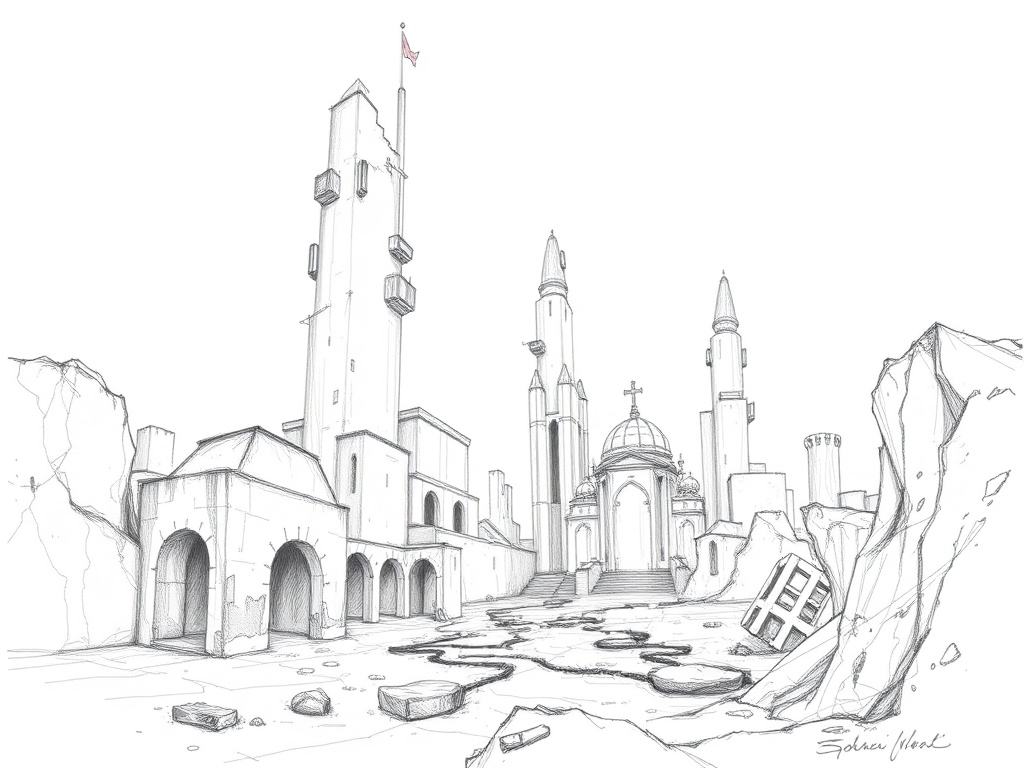
This distinction becomes especially important in long-form fiction because novels cannot usually sustain themselves through isolated scenes or disconnected ideas alone. Character influences action, worldbuilding shapes possible choices, and thematic tension changes how events are interpreted throughout the story. Through this process, isolated inspiration begins transforming into a novel with direction, tension, and narrative continuity.
Where a novel begins frequently determines which narrative elements become most important throughout the writing process. Many unfinished or unstable novels struggle because the writer attempts to force the narrative into a structure that does not match its natural direction. The ability to identify the central source of narrative pressure helps fiction maintain stronger coherence and direction.
In many novels, narrative movement emerges primarily from the internal conflicts surrounding a central character. Strong fictional characters are not created only through names, professions, or personality summaries. The real narrative force comes from the choices the character continues making under emotional or structural pressure.
In this type of fiction, events become meaningful not because they are objectively dramatic, but because they create pressure on the character’s internal condition. The same event may appear insignificant to one character while becoming emotionally devastating for another depending on their fears, memories, or desires. Many literary novels become powerful because they focus on emotional consequence rather than external spectacle.
Some novels begin not through individual psychology, but through the social, political, historical, or cultural systems governing the fictional world. Worldbuilding in fiction does not simply mean fantasy settings, futuristic technology, or large-scale fictional universes. Narrative conflict often emerges because the structure of the world creates pressure on the characters living inside it.
Readers believe in a fictional world not because the writer explains it endlessly, but because its internal logic continuously operates throughout the narrative. If the world functions only as decorative background, characters begin acting inconsistently and scenes lose structural weight. As writers begin understanding how character and worldbuilding interact, fiction gradually develops greater narrative depth and coherence.
Theme-driven fiction often develops when a writer becomes deeply interested in a particular tension concerning memory, violence, guilt, loneliness, family, identity, or desire. A literary theme is rarely effective when it exists only as explanation or abstract commentary. Thematic depth often appears when questions remain unresolved rather than fully explained.
For this reason, many literary novels avoid presenting theme as a fixed moral statement that determines every scene mechanically. If the manuscript begins explaining its message too aggressively, characters often stop feeling psychologically independent and narrative tension decreases. Thematic complexity emerges when narrative structure allows conflicting responses to coexist within the same fictional world.
Theme-centered fiction therefore depends heavily on the relationship between abstract tension and concrete dramatic situations. For example, a novel exploring forgiveness becomes more powerful when characters are forced into situations where forgiveness feels emotionally impossible or morally unstable. As the story develops, theme begins operating less as explanation and more as an invisible pressure shaping every major scene.
Long-form storytelling depends heavily on the interaction between emotional tension, narrative structure, and thematic development. Character choices influence how thematic questions appear, while the world determines what kinds of actions become possible or impossible. The manuscript gradually transforms from a collection of ideas into a structured literary work capable of sustaining long-form emotional and thematic tension.
The process of fiction writing becomes more manageable when writers understand what element first gives momentum to the story. Different novels naturally require different forms of narrative balance depending on their structural origin. As writers continue exploring the relationship between character, worldbuilding, and theme, they gradually develop a deeper understanding of how long-form fiction sustains emotional, structural, and literary coherence over time.
Long-form fiction becomes coherent only when character, setting, conflict, and theme begin interacting consistently throughout the manuscript. Characters move within worlds shaped by rules, pressure, silence, institutions, and relationships, while thematic tension emerges through the consequences of their choices. Writers eventually realize that storytelling depends not only on creativity, but also on structural awareness and narrative balance.
A strong concept alone cannot sustain long-form fiction if the relationships between character, worldbuilding, and theme remain unstable. A novel focused entirely on character without meaningful environmental pressure may lose dramatic momentum, while worldbuilding without emotional consequence often becomes static description. Narrative depth increases when every major component of the novel contributes to the same structural movement.
Instead of asking what should happen next mechanically, writers begin asking why certain scenes, characters, or conflicts matter structurally within the manuscript. Character decisions begin carrying greater weight once writers understand how those choices influence thematic tension and worldbuilding simultaneously. As the manuscript evolves, isolated inspiration slowly transforms into sustained narrative structure.
This process also explains why fiction writing is difficult to learn through theory alone without direct engagement with actual manuscripts. Many structural problems only become visible once the manuscript exists as a complete narrative system. The study of fiction eventually becomes inseparable from the practice of writing, revising, and restructuring narrative itself.
Some stories emerge through character psychology, others through social structure, and others through unresolved questions, yet all fiction ultimately depends on how these forces connect. Understanding this relationship allows writers to move beyond isolated ideas and begin constructing fiction with stronger structural awareness and emotional coherence. As writers continue refining these relationships, fiction gradually transforms into a more coherent, emotionally resonant, and structurally complete literary work.
소설쓰는법